01 / FIELD NOTE
Teaching as a living system
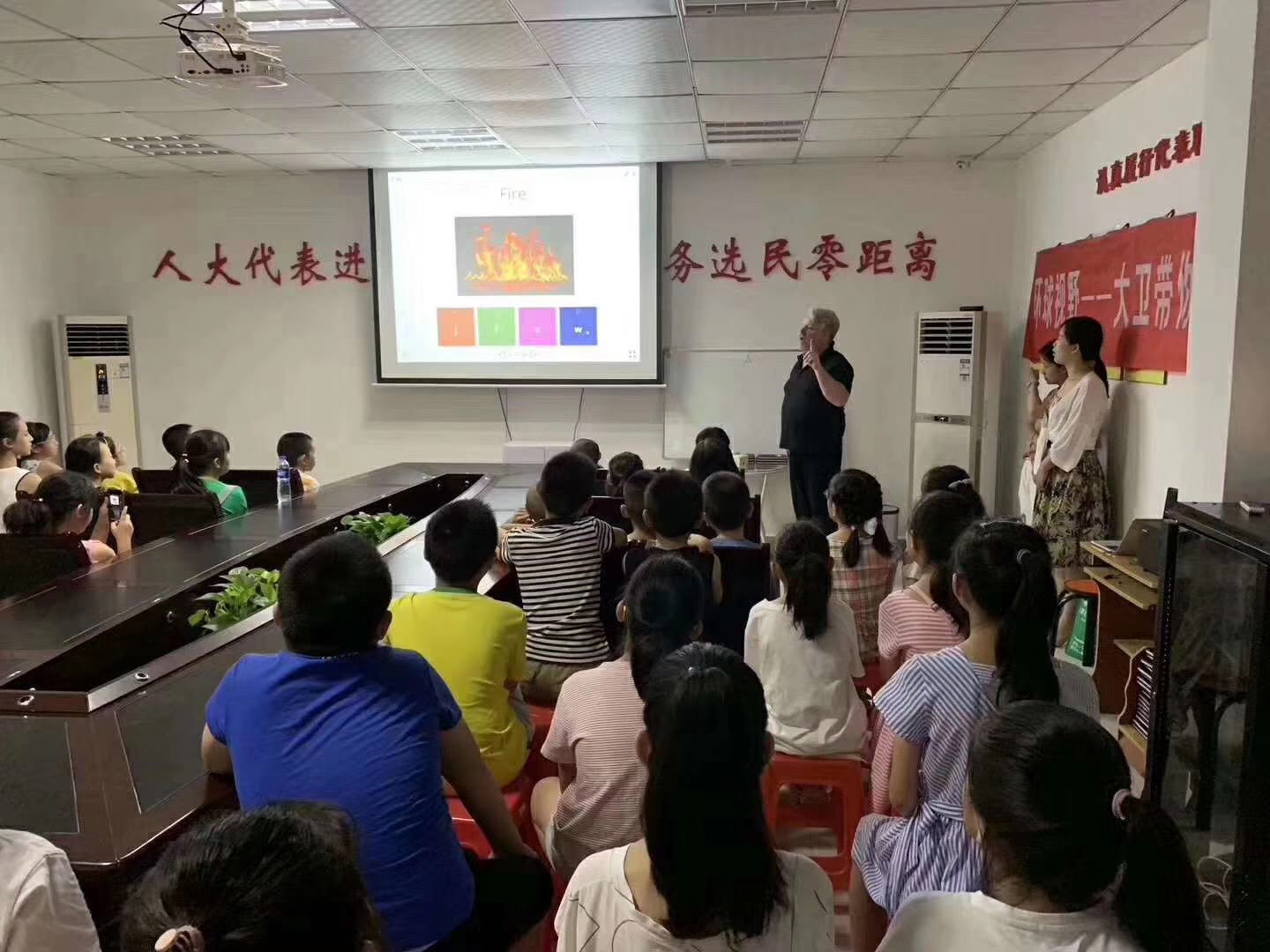
Teaching was treated as participation rather than one-way transmission: attention moved through the room, ideas were tested aloud, and the group helped shape the lesson.
Origins / China
Teaching, study and cultural encounter in China helped turn a broad theory of change into a more relational practice of attention.
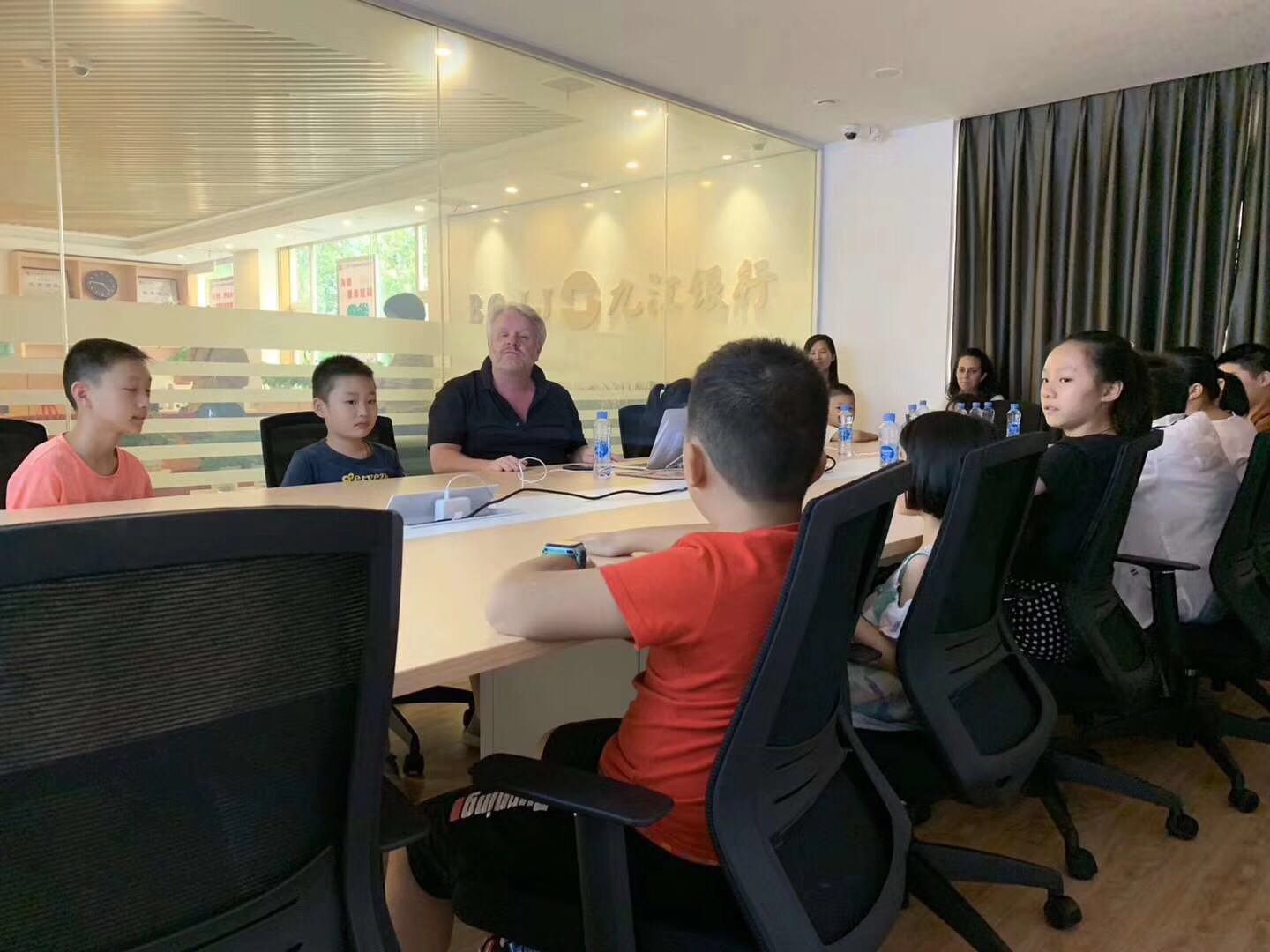
Jiujiang, Jiangxi · a teaching conversation shaped by attention, relation and response.
The formative question
Living and teaching in China placed familiar assumptions inside a different historical, linguistic and institutional field. The lesson was not that one culture supplies the answer to another. It was that meaning depends upon relations: between people, signs, traditions, places and the conditions in which a judgement is made.
This became one of Symbiain’s durable principles. Before judging an element, examine the field that gives it significance.
Teaching was treated as participation rather than one-way transmission: attention moved through the room, ideas were tested aloud, and the group helped shape the lesson.
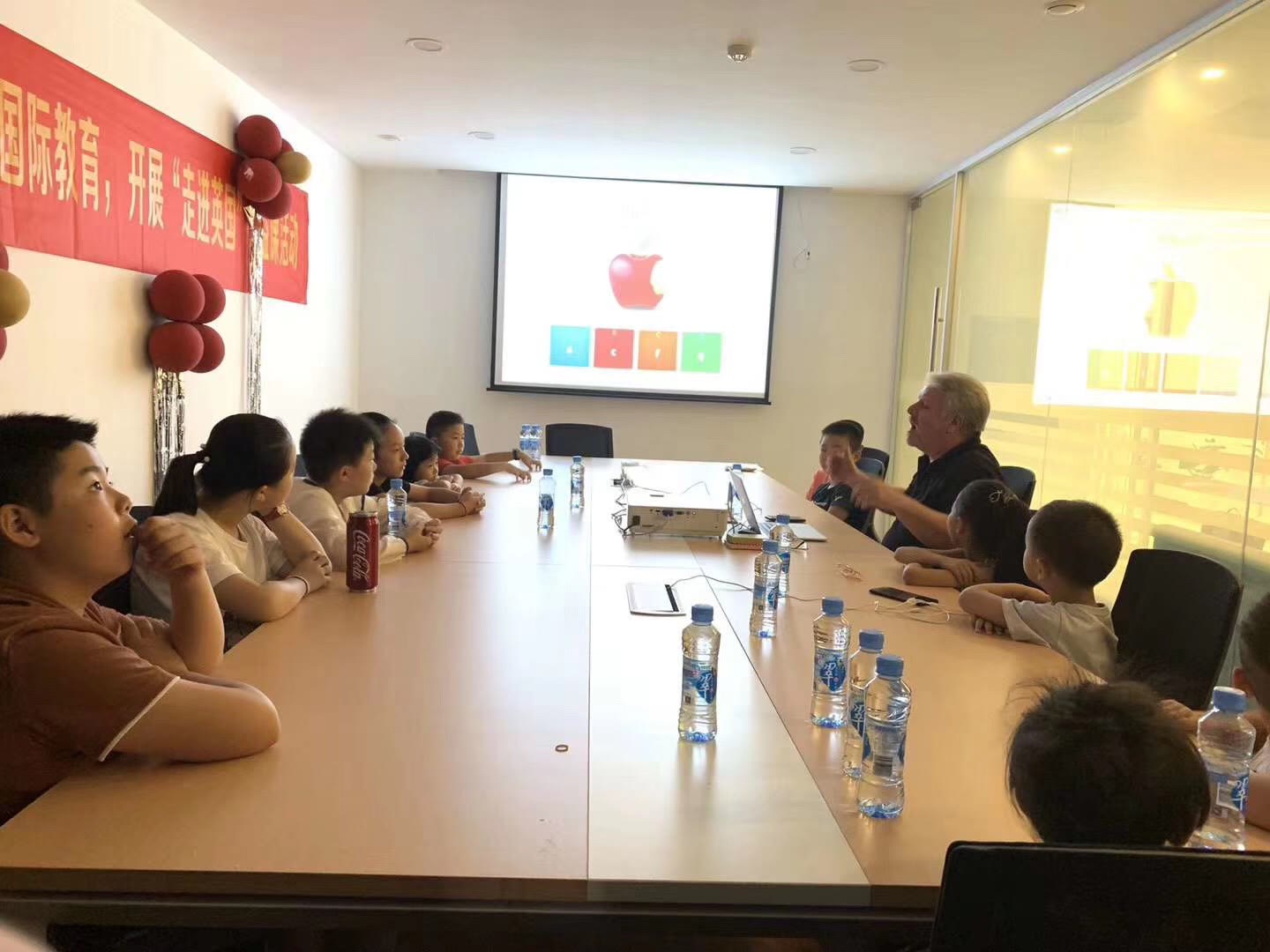
A round table changes who can see, answer and respond to whom. The arrangement is not decoration; it changes the relationships through which learning happens.
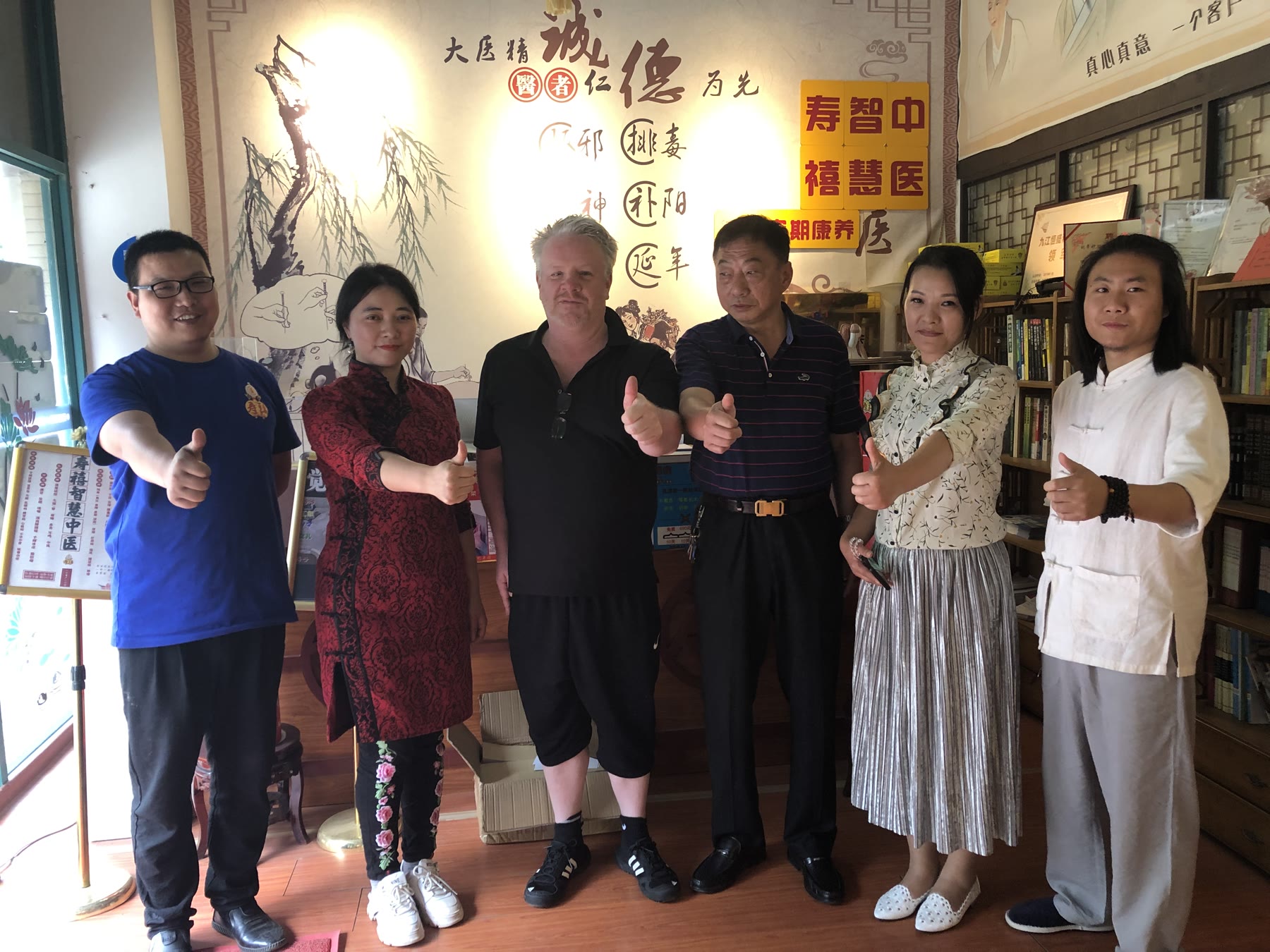
Encounter with Chinese medical teachers sharpened a lasting question: how does a system decide what counts as a relevant sign, relation or explanation?
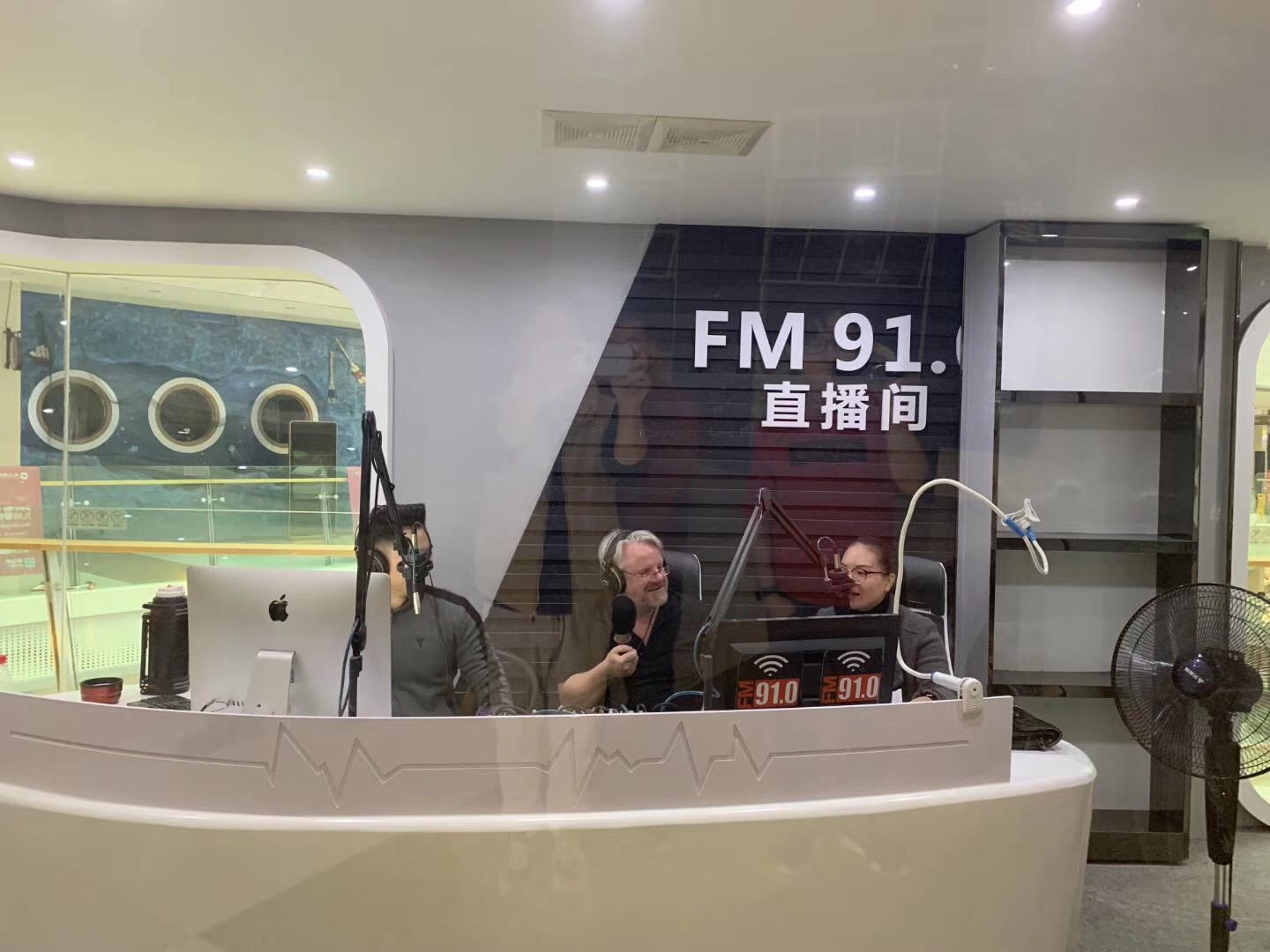
A radio conversation about writing made translation immediate: an idea changes as it moves between author, interviewer, language, medium and audience.
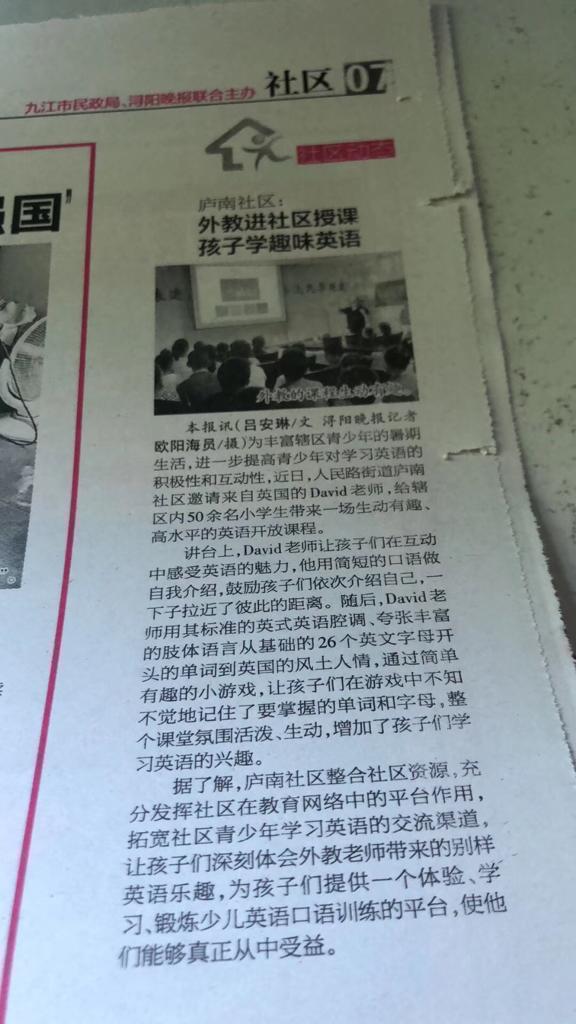
A contemporary Chinese newspaper account of Iain Davie teaching English through interaction, play and participation in a community classroom.
Teaching as a relational field
The report records an English session designed around participation rather than passive instruction. Children introduced themselves, responded through games and learned through interaction.
The significance for Symbiain is not a claim that the lesson constituted a formal experiment. It is the practical recognition that attention, confidence, relationship and setting alter what a learning system can produce.
The clipping is presented as a contemporary documentary trace. No institutional endorsement is implied, and a fuller translation should remain subject to independent verification.
A modern teaching experiment
Davie describes his teaching approach as a modern adaptation informed by study of Chinese history and educational alternatives. Ideas associated with Zhou-era relational order supplied questions about role, reciprocity and learning within a whole; contemporary classrooms supplied the test.
It was not an attempt to reproduce an ancient imperial system. Its value lay in asking what a different educational frame might reveal—and then observing how learners actually responded.
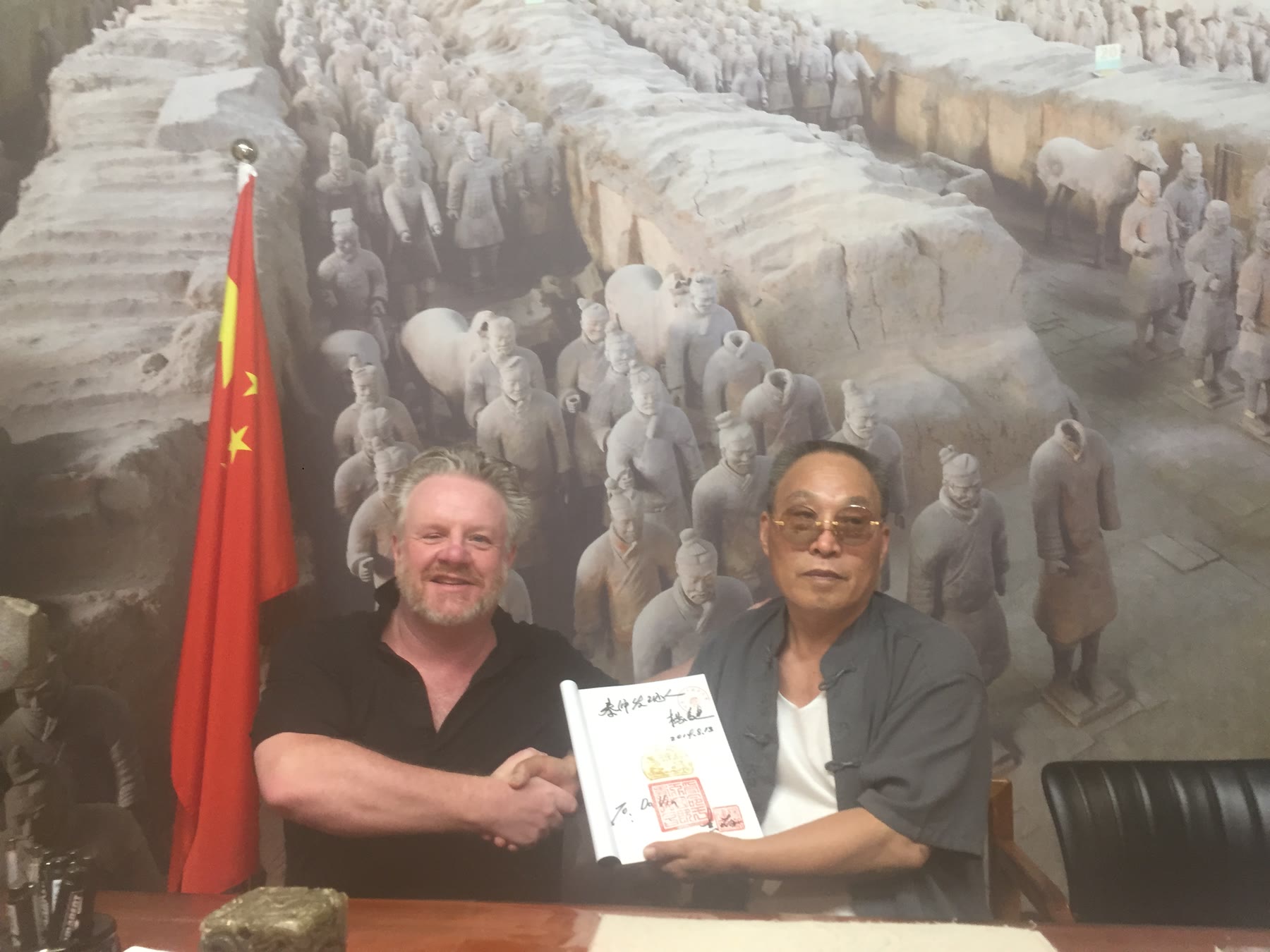
Meeting the man who found the Terracotta Army.
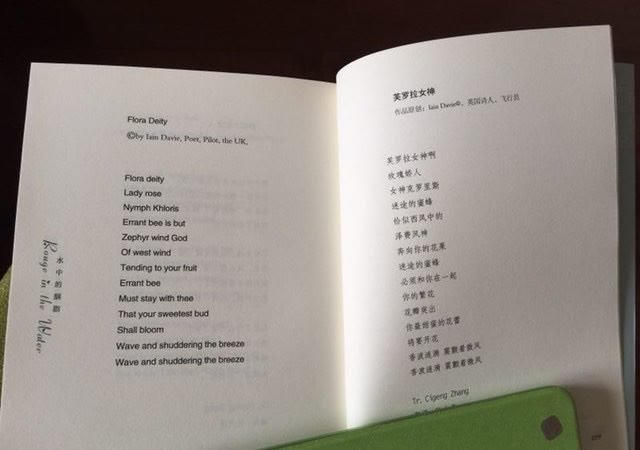
“Flora Deity,” by Iain Davie, printed in English and Chinese. Chinese translation by Cigeng Zhang.
What this establishes
These photographs document experiences that informed the author’s thinking. They do not, by themselves, validate the Symbiain method or imply endorsement by the people or institutions pictured. That distinction is part of the method’s public standard.
Return to the author and the wider formation of the practice.
About Iain Davie →